Natural Light Solutions: Discovering the Different Kinds of Rooflights
Natural light holds a significant place in the field of architectural design. It boosts the aesthetic quality of spaces while encouraging energy conservation. Various rooflight options, from traditional skylights to modern tubular designs, offer unique advantages. Each design meets specific needs and preferences, shaping both the interior setting and overall performance. Understanding these options is essential for anyone considering how to effectively incorporate natural light into their spaces. What factors should one consider when selecting the ideal rooflight?
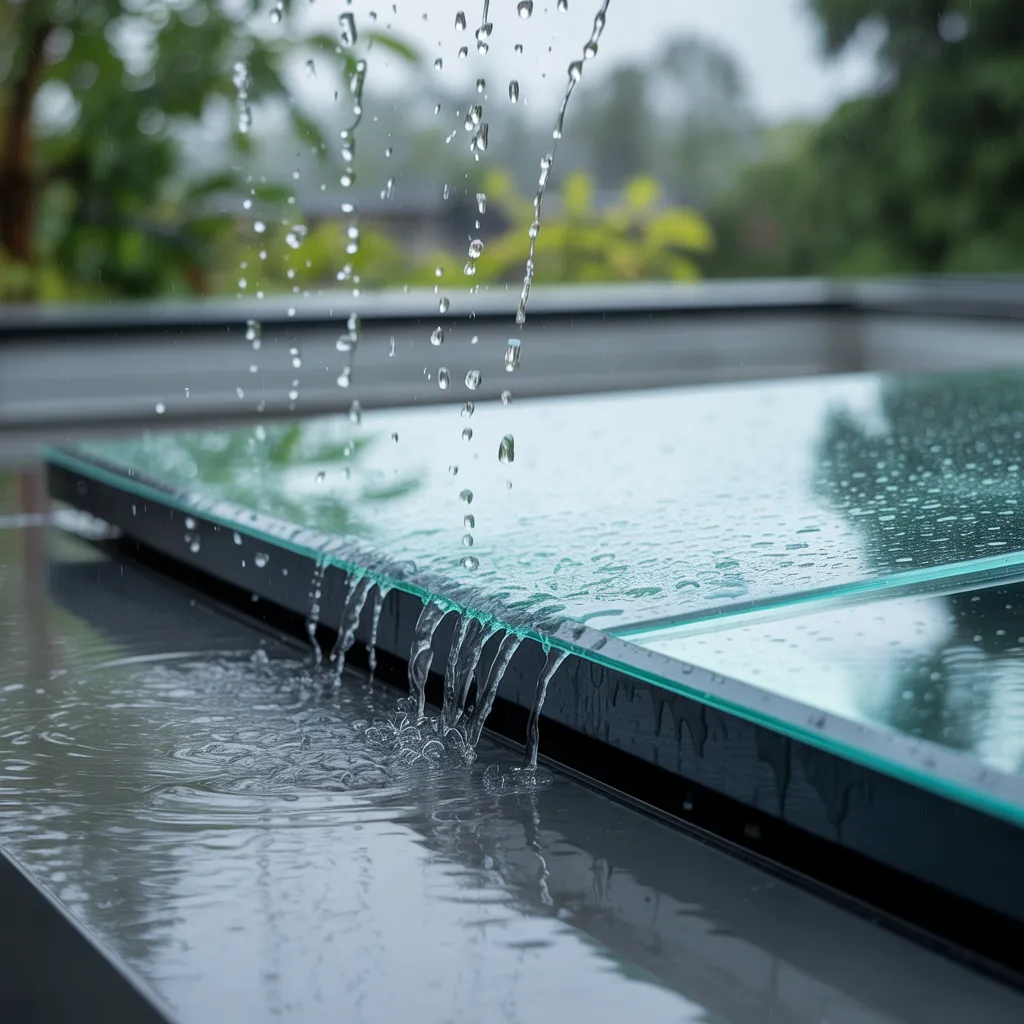
The Importance of Natural Light in Architecture
Natural light plays a significant role in architectural design, as it goes beyond illuminating spaces to influence the atmosphere and usability of interiors. It cultivates a relationship between the interior spaces and the outdoors, supporting the health and comfort of inhabitants. Architects and designers leverage natural light to develop vibrant spaces that transform across daylight hours, modifying the atmosphere and elevating aesthetic appeal.
Furthermore, the utilization of natural light can lower the need for artificial lighting, leading to lower energy usage and expenses. In residential environments, it can make rooms feel more open and welcoming, while in commercial spaces, it can enhance output and inventiveness. The careful positioning of windows and openings maximizes daylight intake, enhancing the benefits of sunlight. Moreover, natural light can reveal the true tones and details of materials, enhancing the overall visual character of a structure. Ultimately, the integration of natural light in architecture is crucial for eco-friendly and wellness-oriented design.
Traditional Skylights: Classic Elegance Meets Functionality
Conventional skylights provide a blend of timeless design and practical functionality, elevating both the decorative value and energy effectiveness of a room. Their adaptability enables seamless incorporation into diverse architectural designs, making them a popular choice among homeowners and designers alike. By maximizing natural light, these features contribute to a more sustainable and inviting environment.
Versatility In Design And Visual Appeal
Skylights perfectly merge timeless elegance with practical design, offering a timeless aesthetic that enhances any architectural style. Their flexibility permits installation in both conventional and contemporary structures, making them an appealing choice for diverse applications. Offered in numerous shapes, sizes, and materials, skylights can enhance any design concept while optimizing natural light intake. They can be personalized with options such as tinted or frosted glass, allowing homeowners to attain their preferred privacy and atmosphere. Additionally, traditional skylights can serve as focal points, guiding the gaze upward and establishing a sense of openness. The harmonious balance of form and function makes skylights an enduring choice, elevating interiors while providing the beauty of natural illumination.
Benefits of Energy Efficiency
Incorporating skylights serves to boost both visual appeal and energy performance considerably. Conventional skylights enable natural light to fill indoor areas, lessening the dependence on artificial lighting throughout the day. This reduction in energy consumption can lead to significant cost savings on electricity bills. In addition, contemporary skylights are frequently engineered with energy-saving glazing that reduces heat loss during winter and heat gain during summer, contributing to a more stable indoor climate. By making use of natural light, these skylights can reduce the strain on heating and cooling systems, consequently reducing overall energy expenditure. Therefore, standard skylights not only uplift the character of a space but also fulfill a critical role in supporting sustainable living through greater energy efficiency.
Contemporary Lanterns: Stylish Solutions for Natural Light Access
Modern lanterns offer a combination of aesthetic appeal and design flexibility, rendering them an ideal selection for improving natural light access in various spaces. Their sleek lines and customizable options enable seamless incorporation into a variety of architectural styles while contributing to energy efficiency. Therefore, these solutions not only illuminate interiors but also support sustainable living practices.
Versatility in Design and Aesthetics
Architectural elegance in structural planning often depends on the seamless integration of sunlight, and lanterns function as refined choices for maximizing natural illumination. These versatile structures can be adapted to enhance diverse design sensibilities, from modern minimalism to traditional elegance. Their sleek profiles and diverse shapes allow for creative expression, while simultaneously fulfilling practical requirements. Lanterns can be carefully situated to highlight vistas, enhance spatial dimensions, or serve as centerpieces in a room. Furthermore, the use of superior construction elements, such as glass and metal, guarantees longevity and aesthetic professional advice charm. By blending style and practicality, today's architectural lanterns not only illuminate spaces but also enhance the general ambiance, creating spaces that feel welcoming and uplifting.
Energy Efficiency Advantages
While maximizing natural light in architectural spaces, energy efficiency emerges as a significant advantage of utilizing lanterns. These modern structures enhance daylight access, minimizing the need for artificial lighting during daylight hours. By capturing and leveraging natural light, lanterns help reduce overall energy consumption, resulting in lower utility bills and a smaller carbon footprint. The design typically integrates energy-efficient glazing that limits heat loss, further optimizing indoor temperatures. Moreover, the deliberate placement of lanterns may boost airflow, promoting a healthier indoor environment. Consequently, contemporary lanterns not only enhance visual appeal but equally function as an eco-friendly solution, seamlessly integrating energy efficiency with style and functionality, rendering them a growing preference in modern architecture.
Advanced Tubular Rooflights: Space-Conscious Natural Light Solutions
Cutting-edge cylindrical rooflights present a highly effective solution for boosting natural light in spaces with limited roof access. Built as sleek, cylindrical units, these skylight systems seamlessly guide natural light from the exterior roof surface into indoor spaces that may otherwise lack sufficient illumination. Their minimalist design enables simple setup in various settings, including private residences and business premises.
The highly reflective interiors of tubular daylight systems optimize the spread of natural light, guaranteeing uniform illumination across the entire area. This characteristic not only lightens living areas but also creates a more welcoming environment. Moreover, tubular daylight systems are frequently highly efficient, minimizing dependence on electric lighting throughout the day.
Offered in a range of sizes and styles, they can be tailored to meet specific aesthetic and functional requirements. By incorporating advanced tubular rooflights, homeowners can take advantage of natural daylight without sacrificing space, making them an excellent option for urban environments and smaller buildings.
How to Pick the Ideal Rooflight for Your Space
Selecting the most suitable rooflight for a property necessitates thorough evaluation of a number of factors to ensure perfect daylighting and performance. First, the direction of the property plays a significant role, as south-facing rooflights can maximize sunlight, while northward-facing options provide steady, diffused light. Additionally, the scale and design of the rooflight should align with the room's dimensions and aesthetic, guaranteeing a balanced integration.
The type of glazing is also important; choices like self-cleaning or low-emissivity glass can improve energy performance and simplify upkeep. Furthermore, the purpose of the space plays a role in determining the right option; rooms that demand natural ventilation may find opening rooflights particularly beneficial. Lastly, regional building codes and climatic conditions ought to be reviewed to ensure conformity and longevity. By evaluating these factors, one can choose a rooflight that effectively enhances natural light and complements the space's overall design.
What to Know Before Installing Rooflights
Prior to installing rooflights, several important considerations come into play to guarantee a successful integration into the building. Initially, the structural integrity of the roof must be assessed, confirming that it can accommodate the extra weight and alterations. Adhering to local building regulations and planning permissions is also essential; understanding these requirements can prevent future complications.
Furthermore, the alignment of the rooflight impacts natural light intake, so careful positioning is essential for perfect lighting. Moreover, the selection of glazing is essential for long-term performance and insulation; choosing materials that balance heat retention with maximum light transmission is paramount.
Ultimately, likely moisture infiltration needs to be managed through proper sealing and drainage solutions. These contributing factors contributes to the efficiency and lifespan of roof glazing units, making comprehensive planning a critical requirement for any rooflight fitting project.
Improving Energy Efficiency With Rooflights
Although many homeowners pursue aesthetic improvements with rooflights, their potential to boost energy efficiency is equally significant. Rooflights permit natural light to fill interior spaces, reducing the reliance on artificial lighting during daytime hours. This deliberate utilisation of natural light can contribute to reduced electricity costs and a lower carbon footprint.
Furthermore, current rooflight designs often incorporate thermally efficient glazing, which aids in controlling interior temperatures by preventing heat loss throughout winter and preventing overheating in summer. This thermal performance leads to a highly comfortable interior space, lessening the reliance on heating and cooling systems.
Moreover, the incorporation of rooflights with advanced technology can enhance energy consumption. Advanced automation can modify shading in response to sunlight conditions, ensuring optimal efficiency. By harnessing the benefits of natural light, homeowners can establish a environmentally conscious living space that not only improves aesthetics but also fosters energy sustainability and eco-conscious living.
Common Questions and Answers
What Impact Do Rooflights Have on Indoor Temperature Regulation?
Skylights considerably affect indoor temperature regulation by permitting natural light to penetrate, reducing reliance on man-made lighting and heating systems. They can help maintain a balanced thermal environment, boosting comfort and energy performance within the space.
Are Rooflights Suitable for Flat Roofs?
Rooflights are indeed suitable for flat roofs, offering natural light and improving the aesthetic appeal. They necessitate careful installation and maintenance to secure proper drainage and eliminate leaks, rendering them a favoured option for modern architecture.
What Maintenance Do Rooflights Require?
Roof lights need consistent care, such as cleaning the glazing to prevent dirt buildup, inspecting seals for leaks, checking for damage, and ensuring proper drainage. This upkeep helps maintain performance and prolongs the lifespan of the installation.
Is It Possible to Install Rooflights in Existing Structures?
That's correct, rooflights may be installed in buildings that are already standing. Adequate planning and a professional structural evaluation are vital to confirm safety and compatibility. Seeking professional installation is advisable to address potential challenges and maximize the value of daylight.
What Are the Most Popular Materials Used in Rooflights?
Common materials used for rooflights include polycarbonate, acrylic, and glass. Every material provides unique benefits, such as transparency, insulation properties, and durability, making them well-suited to diverse architectural applications and visual requirements.